Get A Free Quote It takes only 5 seconds
Open 24/7 Serving Los Angeles & Ventura County
Emergency service available 747‑202‑3622
Guides

How to Remove Fire Retardant (Phos-Chek) From Your Home

A straight answer from the crew that does this work across Los Angeles and Ventura County every week.

Licensed & InsuredSatisfaction GuaranteedFamily Owned & Operated
Free Estimate · No Obligation

Get a Fast Quote

Tell us where & what, we'll get right back to you.

Please enter your name
Enter a valid email
Enter a valid phone number

It takes 5 seconds

Request Sent!

Thanks, we got it. A member of the WashPro crew will reach out shortly with your free estimate.

Or Call Us Now
The Short Answer

Fire retardant like Phos-Chek must be removed from your home within days of an aerial drop. The material contains ammonium phosphate and ferric oxide, both of which corrode metal and stain porous surfaces if left to dry and cure. A low-pressure soft wash using a diluted neutralizing rinse is the correct method. WashPro SFV handles this across Los Angeles and Ventura County.

When a wildfire threatens a neighborhood in Los Angeles or Ventura County, CAL FIRE and contracted aerial tankers drop Phos-Chek or similar long-term fire retardants on structures and vegetation in the fire's path. That deep red or pink residue on your roof, stucco, fencing, and driveway is not decorative. It is a chemical deposit that will cause real damage if it sits.

This guide covers what the material actually is, why fast removal matters, the correct soft-wash process, how to document everything for your insurer, and the common mistakes that make a straightforward job significantly harder.

What Is Phos-Chek and Why Is It Left on Your Home?

Phos-Chek is a long-term fire retardant manufactured by Perimeter Solutions. The aerial formula is a water-based slurry mixed with ammonium polyphosphate as the active fire-suppressing compound, plus ferric oxide (rust pigment) for visibility from aircraft, and a corrosion inhibitor package meant to slow metal attack during the application. The red color is intentional: pilots and ground crews need to see where retardant has already been applied from a thousand feet in the air.

When a structure is in the predicted fire path, pilots will drop retardant on and around it before the fire arrives. The goal is to slow flame spread long enough for firefighters to work or for residents to evacuate. By design, the material coats anything it contacts, including roofing tiles, painted stucco, wood trim, glass, aluminum gutters, and concrete flatwork.

The corrosion inhibitor in the aerial formula is formulated to protect the aircraft and its delivery systems. It does slow some surface reactions, but it is not permanent, and it does not protect the wide range of building materials found on a typical Southern California home. Once the retardant dries, the ammonium compounds begin to etch and the ferric oxide begins to stain in earnest.

Why Does the Timing of Removal Matter?

Freshly applied Phos-Chek is water-soluble. A low-pressure rinse within the first day or two, before the material fully dries and cures, will remove most of it without aggressive chemistry or scrubbing. Once the retardant cures, the ferric oxide binds to porous materials like uncoated concrete, clay tile, and stucco with real tenacity. The ammonium phosphate crystallizes and begins a slow chemical attack on aluminum flashing, gutters, fascia, and any bare metal.

The practical consequence is that a job that takes a few hours when addressed in the first 48 to 72 hours can become a multi-day project with acid treatment, repeat applications, and possible surface refinishing if left for a week or more. SFV, LA and Ventura homeowners returning to their properties after evacuation orders lift often face this compressed timeline.

The table below summarizes how material behavior changes with time on common building surfaces.

Surface Within 48-72 hours After 1 week or more
Concrete / driveway Rinses with low pressure, minimal staining Deep iron staining, may require acid wash
Clay / concrete roof tile Low-pressure rinse removes bulk; soft wash clears remainder Ferric oxide bonds into tile pores, extended dwell time needed
Painted stucco Gentle rinse, no paint damage expected Potential pigment staining, etching at paint surface
Aluminum gutters / flashing Rinse, inspect for early oxidation Pitting corrosion possible; inhibitor protection gone
Glass (windows, skylights) Rinse or standard window clean Ferric oxide and mineral deposit etching if prolonged
Wood trim / fencing Low-pressure rinse, let dry and inspect Deep pink staining, possible need for light sanding before repaint

The Correct Process for Removing Fire Retardant From a Home Exterior

High-pressure washing is the wrong tool for fire retardant removal on most home surfaces. Pressure drives the dissolved iron pigment deeper into porous tile and concrete rather than lifting it. It can also force water under roofing tile, behind stucco weep screeds, and into window frames. The correct method is a controlled soft wash: low pressure, correct chemistry, deliberate dwell time.

Step 1 - Pre-inspection and documentation

Before any water touches the structure, walk the property and photograph every affected surface. Note the extent of coverage, which surfaces are bare versus painted or sealed, and any pre-existing damage you want to separate from retardant-related issues. This documentation is essential for insurance claims and distinguishes retardant damage from prior conditions.

Step 2 - Protect non-target areas

Cover air conditioning condenser coils and any exposed electrical junction boxes. Note the location of foundation vents and crawl space openings. Retardant-laden rinse water should be directed away from garden beds and storm drain inlets where local municipal code requires containment.

Step 3 - Initial low-pressure rinse

A wide-fan, low-pressure rinse removes the bulk of loose retardant material before any chemistry is applied. Starting at the roof and working down, the rinse carries dissolved material to the ground level where it can be managed. Do not let iron-laden water dry on surfaces below the work area; keep rinsing ahead of the drip line.

Step 4 - Neutralizing soft-wash application

A diluted oxalic acid or proprietary iron-removing solution is applied to remaining stained areas with a low-pressure sprayer. The chemistry chelates ferric iron, pulling the pigment out of pores and into solution. Dwell time is matched to surface porosity: longer on raw concrete, shorter on painted or glazed surfaces. The solution is then rinsed thoroughly before it can dry.

Step 5 - Final rinse and inspection

A clean water rinse removes all chemistry residue. Each surface is inspected for remaining staining. Stubborn spots on concrete may require a second pass. Metal components, particularly aluminum gutters and window frames, are wiped and dried to stop ongoing oxidation.

From the crew: The biggest mistake we see after aerial drops is homeowners running a garden hose over everything and calling it done. That spreads the dissolved iron across horizontal surfaces - concrete, pool decking, pavers - where it dries and stains. Start from the roof down, keep rinsing ahead of the drip line, and use the right chemistry on anything that has soaked in. A fast, correct job protects your insurance claim and your surfaces.
Documenting Fire Retardant Damage for Your Insurance Claim

Most California homeowners policies cover cleaning and remediation costs from aerial fire retardant drops when damage to the structure can be demonstrated. The insurer's adjuster will want evidence of what was present before the work was done. This makes pre-cleaning documentation as important as the cleaning itself.

Practical steps that support a successful claim:

  • Photograph every affected surface before any cleaning begins. Include wide shots showing coverage extent and close-ups showing staining depth and surface condition.
  • Note the date and time of the aerial drop if known. CAL FIRE publishes incident maps and drop logs that can corroborate your timeline.
  • Get a written scope of work and invoice from your cleaning contractor that itemizes each surface treated and the chemistry used. Vague invoices are a common reason claims are reduced or disputed.
  • Keep any pre-existing surface damage (cracked grout, peeling paint) clearly separated in your photos. Insurers look for ways to attribute visible damage to prior conditions rather than the event.
  • If any metal components show corrosion, have them professionally assessed before cleaning removes the visible evidence of the reaction.

Working with a licensed, insured contractor is important here. Some insurers require proof of contractor licensing before covering the work. WashPro SFV is fully licensed and insured, serving properties across Los Angeles and Ventura County. Our fire retardant removal service includes pre- and post-cleaning documentation as standard practice.

What to Avoid When Removing Fire Retardant

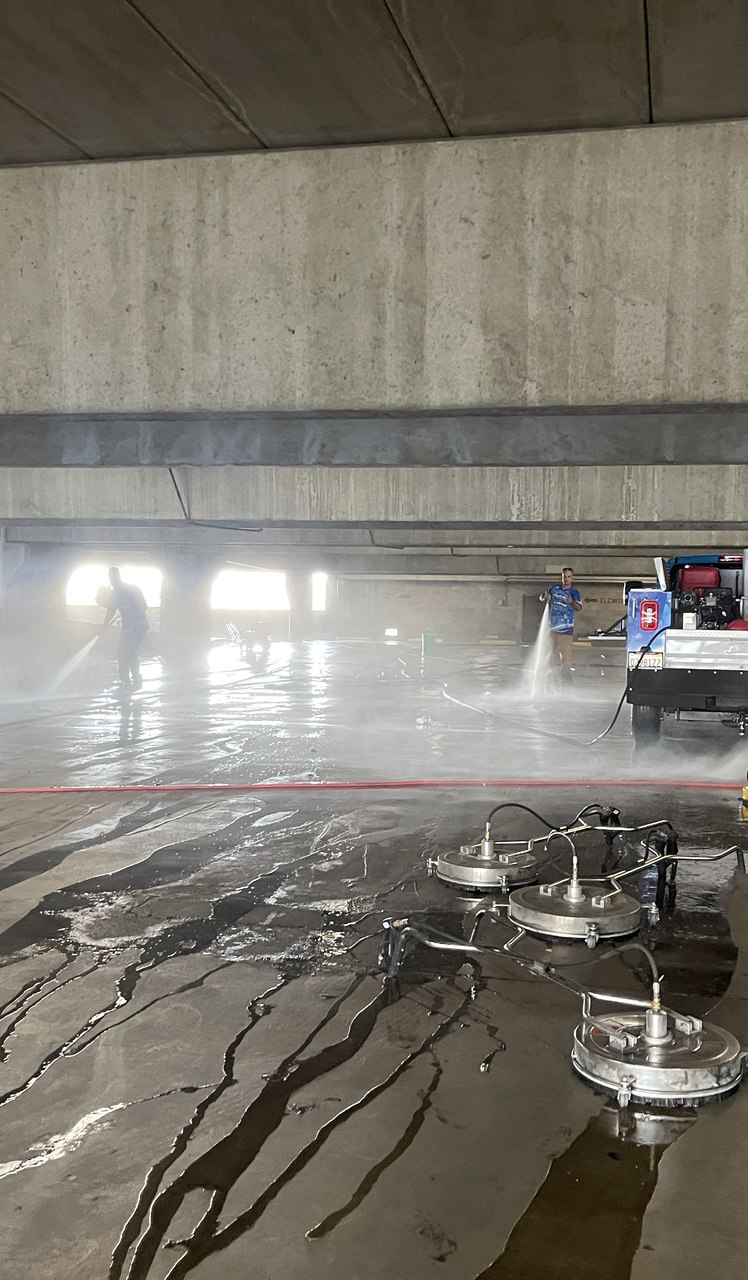
Technician soft washing a home exterior after fire retardant application

Several common approaches make the job harder or cause collateral damage.

  • High-pressure washing on tile or stucco. Pressure drives iron pigment into porous surfaces rather than lifting it. It also risks cracking tile, damaging mortar joints, and forcing water into wall assemblies.
  • Scrubbing dry retardant. Dry retardant powders and spreads. Wet it first, then rinse, then treat. Never dry-brush or pressure-blow a cured deposit.
  • Using bleach as the primary treatment. Sodium hypochlorite does not chelate iron. It can lighten some organic staining but will not remove the ferric pigment and may set certain stains on porous surfaces.
  • Letting rinse water pond on concrete. Iron-laden wash water that sits and dries leaves secondary staining. Keep rinsate moving off horizontal surfaces and into a containment area or vegetated buffer.
  • Waiting on the assumption it will rain off. SFV, LA and Ventura get little summer and fall rain. Even a moderate rain event will not flush cured retardant from tile pores or concrete. The material needs active chemistry to release.
  • Cleaning without documenting first. Once the retardant is gone, the evidence for your insurance claim is reduced to photos taken before the cleaning. Do not skip the pre-work documentation step.

When Does This Require a Professional?

Single-story homes with primarily concrete driveways and painted stucco that were treated early can sometimes be addressed by a careful homeowner with a garden hose and a commercially available iron stain remover. Multi-story homes, tile roofs, large concrete areas with deep staining, and any property where metal corrosion is already visible require professional equipment and chemistry to address correctly.

The practical tests are straightforward. If the retardant has been on the surface for more than three days, professional treatment is the safer choice. If the roof is involved, working at height with chemistry and water on sloped tile requires proper safety equipment. If you see any pitting or oxidation on aluminum gutters, window frames, or fasteners, the chemistry needs to match the metal, which requires professional knowledge.

WashPro SFV is based in the San Fernando Valley and runs regular crews across Los Angeles County and Ventura County. After a fire event, we prioritize retardant removal calls because the clock on surface damage is real. Call or text 747-202-3622 to get a fast assessment and a free quote.

Common Questions

Fire Retardant Removal: Frequently Asked Questions

The ammonium polyphosphate in long-term fire retardants is a fertilizer compound. It is not acutely toxic to humans or mammals at the concentrations used, but prolonged skin contact can cause irritation, and ingestion by pets from residue on ground surfaces is a concern. Rinse affected areas before allowing children and animals back on the property. Wash any garden produce grown near the treated area before eating.

Many standard California homeowners policies treat aerial fire retardant as a covered event because the drop is performed by government-authorized aircraft to protect your property. Coverage varies by policy and carrier. Contact your insurer promptly after a drop, document before cleaning begins, and obtain a detailed invoice from your contractor. A contractor who is licensed and insured will typically satisfy insurer requirements. Ask your adjuster specifically about retardant cleaning under the "additional living expenses" or "debris removal" provisions.

A typical single-family home in LA or Ventura County, addressed within 72 hours of the drop, takes between two and five hours depending on coverage area, roof type, and how much horizontal concrete is involved. Homes where the retardant has cured, or where roof tile is heavily saturated, can require a full day or a second visit. The best way to get an accurate timeline is to send photos and get a free assessment from our team before booking.

Unglazed clay and concrete tile is porous. If ferric oxide from the retardant is allowed to fully cure and penetrate the tile surface, some degree of residual pink or rust tint can remain even after thorough chemical treatment. The tile itself is generally not structurally compromised - it is a staining issue. Glazed or sealed tiles respond better to treatment because the glaze limits penetration. Prompt removal dramatically reduces the risk of any lasting discoloration.

Ready to Get the Retardant Off Your Home?

WashPro SFV is the family-owned crew serving Los Angeles and Ventura County with licensed and insured exterior cleaning. We handle fire retardant removal with proper soft-wash equipment, the correct chemistry for each surface type, and full documentation support for insurance claims. Request a free quote or call 747-202-3622 and we will get back to you fast.

Related Reading

Free Estimate

Let's make it
shine.

Call, text or send the form. We'll get right back to you with a free, no-pressure estimate, anywhere in Los Angeles or Ventura County.

Call or Text
Hours
Open 24/7
Emergency service available
Payments Accepted
CashCardDirect DepositCheck

Request Your Free Estimate

Fill this out and we'll be in touch fast.

Please enter your name
Enter a valid phone number
Please choose a service

No spam, no obligation. We'll only use your info to give you a quote.

Request Sent!

Thanks, we got it. A member of the WashPro crew will reach out shortly with your free estimate.

Or Call Us Now

Ready to restore the
look of your property?

Get A Fast Quote
Call Now Free Estimate